What Makes a Language?
This series of paintings investigates the essence of language itself. What transforms sound into meaning? How do symbols carry entire worlds of thought across cultures and generations? Imelda Almqvist brings a shamanic perspective to these questions, treating language as a living bridge between inner experience and shared reality.
Words and concepts drawn from German, Yoruba, Bengali, and other tongues appear throughout the works, each painting becoming a meditation on how different peoples shape — and are shaped by — the languages they speak.
Language is not merely a tool for communication but a living force that shapes how we perceive the world itself. In this series, the artist explores how different tongues carry distinct spiritual landscapes, each one offering a unique doorway into the soul of a culture. The shamanic perspective recognizes that words hold power, that ancient syllables can act as bridges between the seen and unseen realms. When we learn a foreign language, we are not just memorizing vocabulary but learning to dream in a new way. The paintings invite viewers to consider how the sounds we make with our mouths become vessels for the sacred, transforming raw vibration into meaning that connects us across time and distance.
The visual language of these works draws upon symbols and scripts from diverse traditions, weaving them together into a tapestry of shared human expression. Just as a shaman journeys between worlds, the artist moves between linguistic systems, finding common threads that bind humanity together. The German concept of Sehnsucht, the Yoruba understanding of ashe, the Bengali reverence for the poetic word—each appears as a color in a larger palette of consciousness. These paintings suggest that beneath the surface differences of grammar and vocabulary lies a universal grammar of the soul, a language of the heart that all people understand instinctively when they pause to listen deeply.
Foreign languages function as portals in this body of work, opening gateways to alternate ways of being and knowing. The artist proposes that each language carries its own unique medicine, a particular way of healing the fragmentation of modern life. By engaging with words from cultures far removed from our own, we stretch our capacity for empathy and understanding. The shamanic practitioner knows that reality is shaped by the stories we tell, and language is the primary vehicle for those stories. These paintings honor the sacred geometry of speech itself, reminding us that every word spoken with intention becomes a prayer, every sentence a small journey into the mystery of existence.
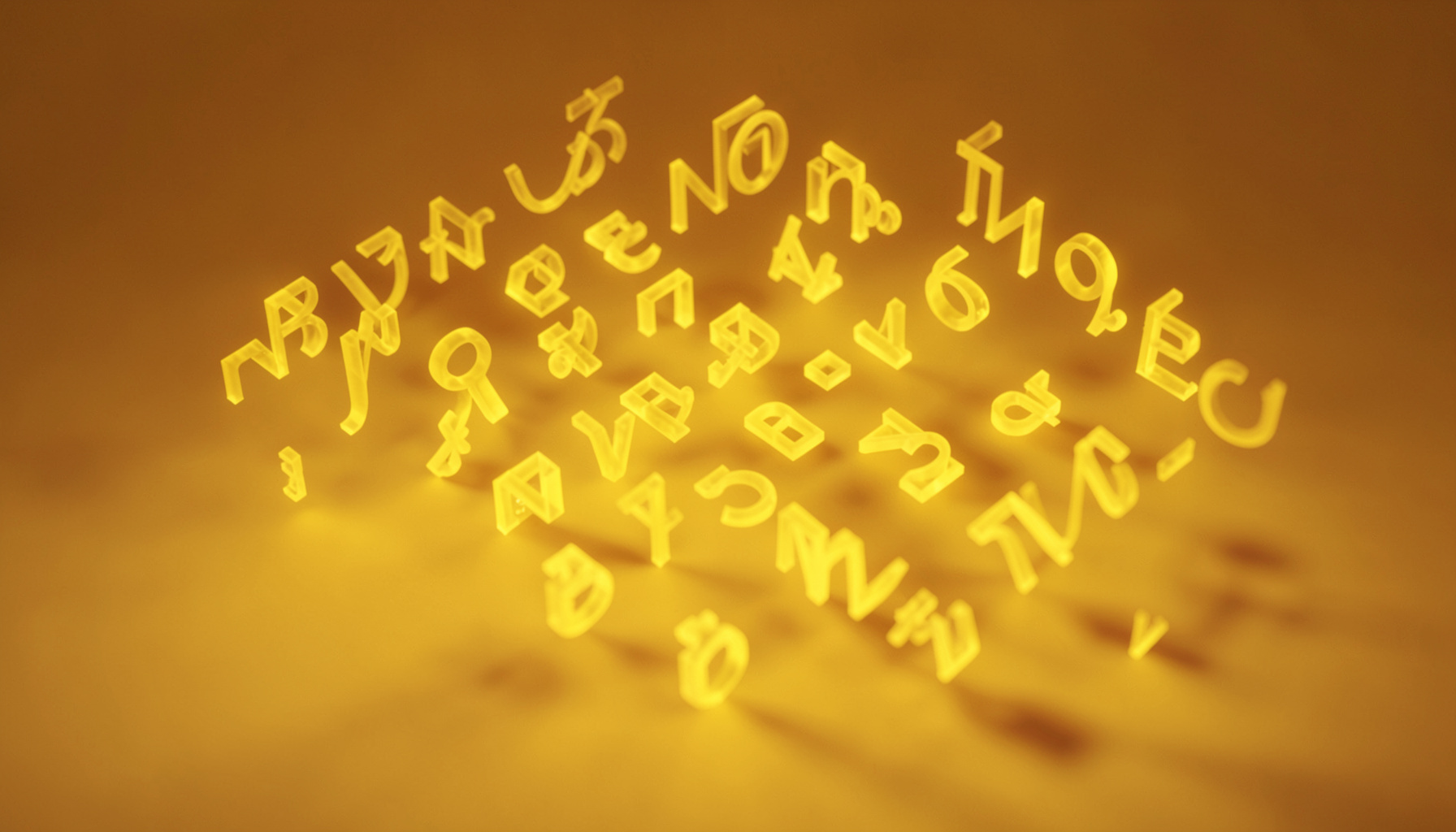
Foreign Languages as Portals
Each foreign language offers a unique doorway into another way of seeing the world. The paintings in this collection treat linguistic diversity not as a barrier but as an invitation — a call to step outside familiar frameworks and encounter reality through different eyes.
- German words and compound concepts that capture ideas English cannot express in a single term.
- Yoruba proverbs and spiritual vocabulary rooted in West African cosmology.
- Bengali poetic fragments reflecting the rich literary heritage of the Indian subcontinent.
The Nature of Communication
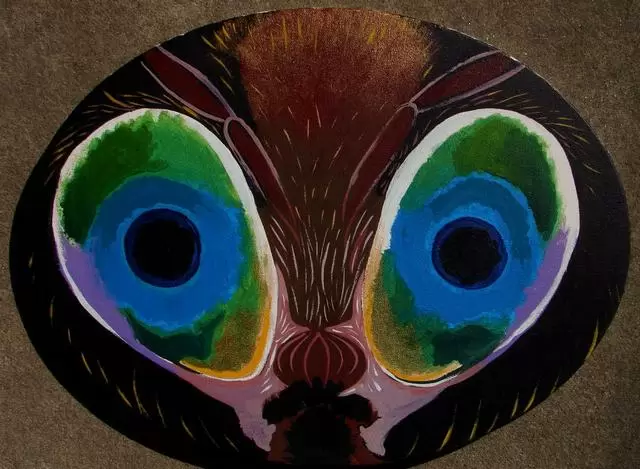
Beyond vocabulary and grammar, these paintings ask deeper questions. How do we communicate what cannot be said? What role does silence play? In shamanic traditions, language is not limited to human speech — the natural world, ancestors, and spirit beings all participate in a vast conversation. This series invites viewers to listen more broadly.