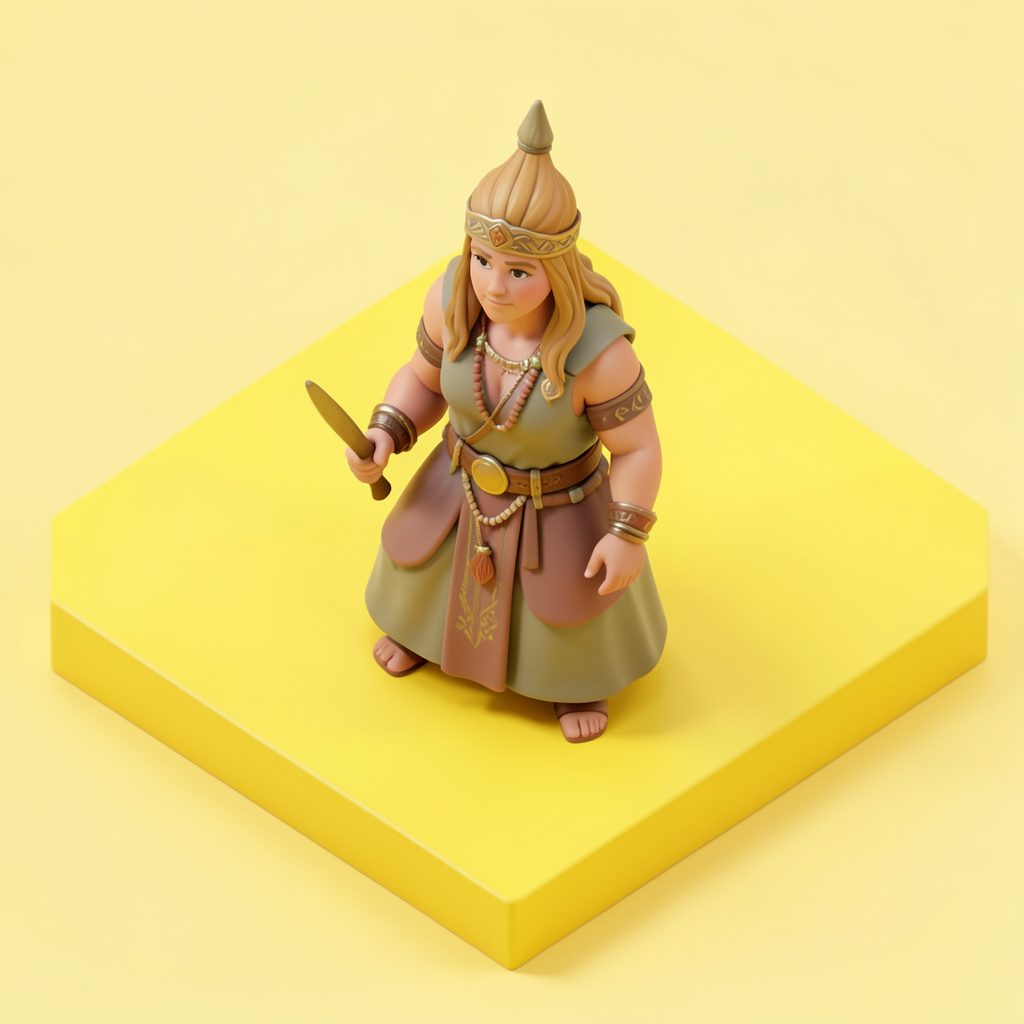
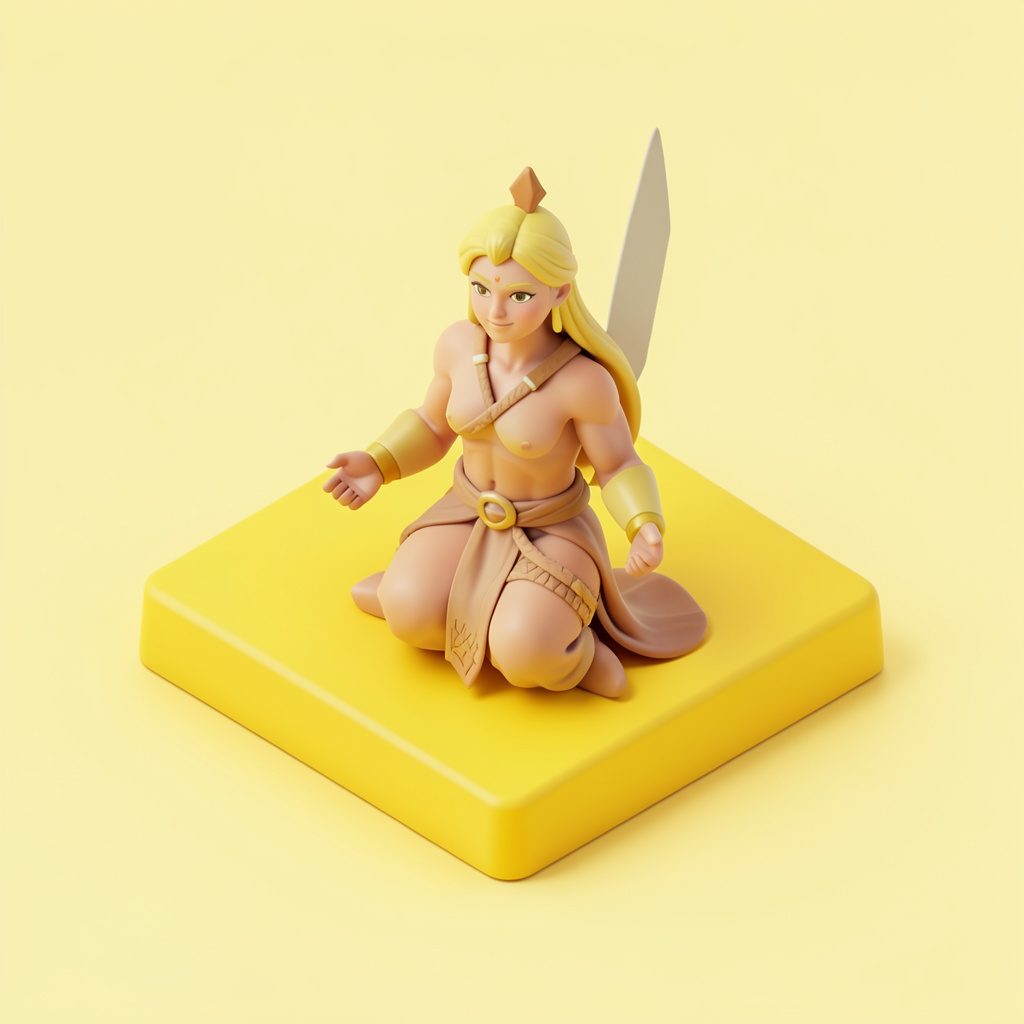
The Celtic Otherworld: Depicting Fairies and Sidhe in Art
The Celtic Otherworld is a realm of thresholds, enchantment and altered perception. In Irish and Scottish traditions, the aos sí or Sidhe are not simply tiny winged fairies; they belong to an older, powerful order connected with hills, wells, mounds, music, sovereignty and the mysterious intelligence of nature.
For artists, these beings offer a rich visual language for exploring dreams, ancestry, sacred landscapes and inner transformation. A painting inspired by the hidden folk can suggest a presence rather than illustrate a story, inviting viewers into a space where the visible and invisible worlds meet.
Roots of the Celtic Otherworld
In Celtic mythology, the Otherworld may appear beneath a green hill, across water, inside a forest or during a festival such as Samhain. Time behaves differently there, and an encounter may bring blessing, danger, wisdom or profound change. These stories make the landscape itself an active participant in the narrative.
The Sidhe are often associated with the Tuatha Dé Danann, ancient beings who withdrew from the human world. Their presence in art can therefore carry themes of displacement, memory and belonging. Instead of presenting them as decorative fantasy characters, an artist might portray them as guardians of an unseen ecology.
Seeing Sidhe Beyond Folklore
Contemporary depictions can move beyond Victorian fairy imagery of lace wings and miniature figures. A Sidhe presence might be expressed through a luminous face in a tree, a spiral of birds, a doorway in stone or a figure partially concealed by mist. Suggestion gives the painting room to breathe.
This approach also honours the difference between cultural traditions. Australian viewers may recognise the importance of sacred places and ancestral relationships to Country, yet Celtic mythology should not be blended casually with Aboriginal Dreaming traditions. Each living culture deserves its own context, language and respect.
Colour, Line, and Thresholds
Deep green, indigo, silver, rust and moonlit white can evoke forests, twilight and the shifting light around an ancient mound. Metallic pigments or thin glazes may suggest a world that becomes visible only at certain angles. In a Melbourne studio, changing daylight can reveal very different qualities in a painting throughout the day.
Spirals, concentric circles, woven lines and interlaced forms create a sense of continuity. They can represent cycles of birth, death, dreaming and return without explaining every symbol. The most compelling fairy art often balances intricate detail with areas of quiet darkness.
Landscape as a Living Portal
A threshold does not need to resemble a literal door. It could be a river bend, a cave mouth, a ring of stones or the meeting point between a suburban garden and the night sky. Australian landscapes offer distinct visual material: eucalyptus bark, red earth, coastal cliffs and the vast southern stars can frame a Celtic-inspired vision without pretending to be Ireland.
An artist working near Sydney might respond to ocean crossings and sandstone formations, while someone in Tasmania could draw on fern-filled forests and mist. These local references help a painting become personal rather than a generic fantasy scene. The Otherworld emerges through attention to place.
Language, Pattern, and Symbol
Names, poems and fragments of ritual language can deepen a painting’s atmosphere. Words may be hidden in borders, written as barely visible marks or allowed to shape the rhythm of repeated forms. Exploring language and symbolism can reveal how a word carries sound, history and emotional resonance beyond its dictionary meaning.
Artists should research symbols carefully, especially when working with ogham, Celtic knots or sacred motifs. A spiral might suggest movement and transformation, while a boundary pattern can imply protection or passage. Meaning becomes stronger when symbols arise from genuine study and lived reflection rather than being added as surface decoration.
Making a Spirit-Informed Painting
A shamanic or intuitive painting process may begin with meditation, journalling, a remembered dream or a walk through a familiar landscape. The first marks can be exploratory rather than controlled. Forms often appear gradually, allowing the artist to notice relationships between colour, gesture and imagined presence.
Practical craft remains essential. A strong composition needs a focal point, varied edges and enough contrast to guide the eye. The spiritual impulse does not replace technique; it gives technique a deeper direction. Layers of acrylic, oil, collage or mixed media can build the sensation of an image emerging from another dimension.
Collecting and Learning in Australia
For Australian collectors, original work inspired by the Sidhe can bring a sense of mystery to a home in Brisbane, Perth or Adelaide, particularly when the painting connects with local light and landscape. Buyers should look for clear information about dimensions, materials, framing, provenance, shipping and prices in Australian dollars where possible. International freight, insurance and import costs may affect the final purchase.
Workshops also provide a meaningful way to engage with sacred art. An introductory course can offer grounding in symbolism, ritual attention and intuitive mark-making, while longer training may suit artists developing a professional practice. The comparison below shows how different creative approaches can serve a Celtic Otherworld painting.
| Artistic Approach | Visual Focus | Best Suited To |
|---|---|---|
| Symbolic painting | Knots, spirals, moons and thresholds | Exploring myth and meaning |
| Landscape-based work | Forests, coastlines, hills and stars | Connecting folklore with place |
| Dream-led painting | Intuitive figures and shifting forms | Expressing personal visions |
| Mixed media | Text, pigment, collage and texture | Building layered narratives |
Explore paintings, poems and sacred art training through Imelda Almqvist Art, and let the hidden world become a starting point for your own disciplined, imaginative practice.