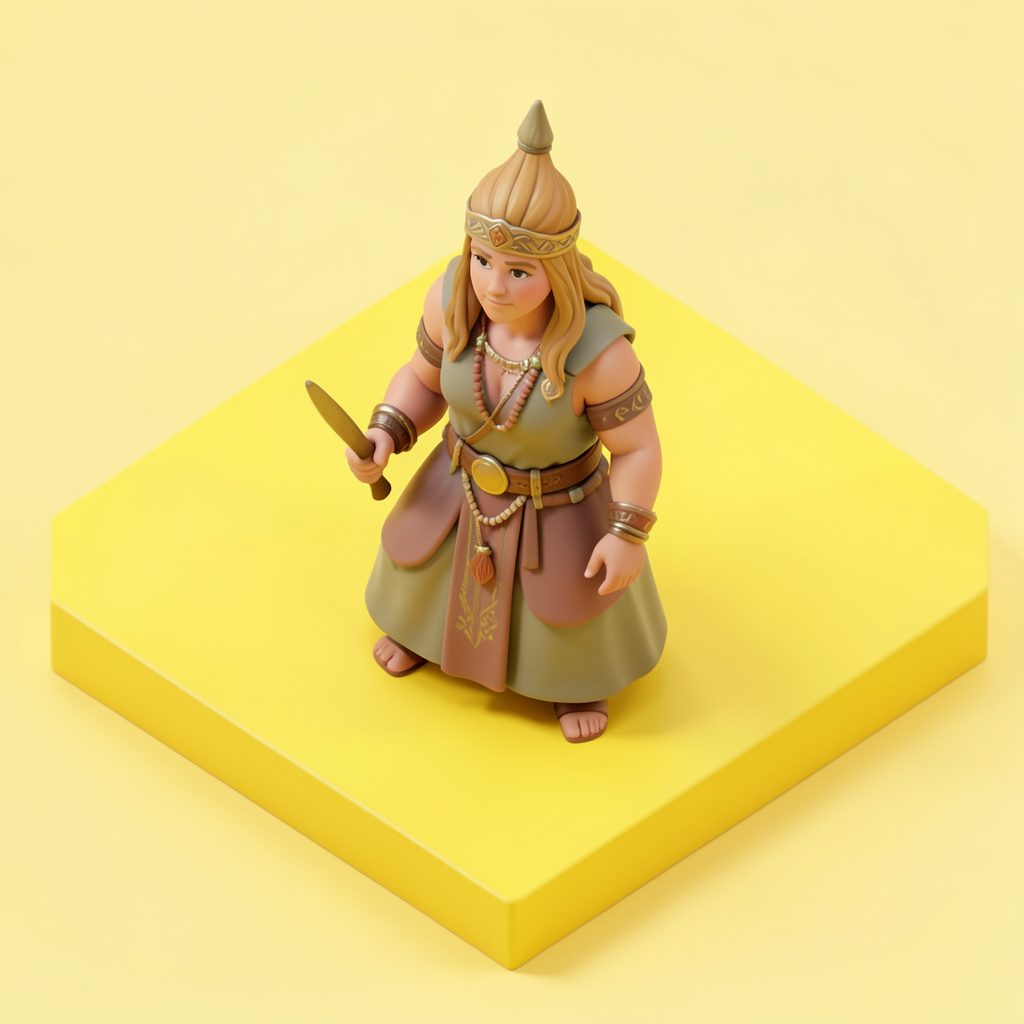
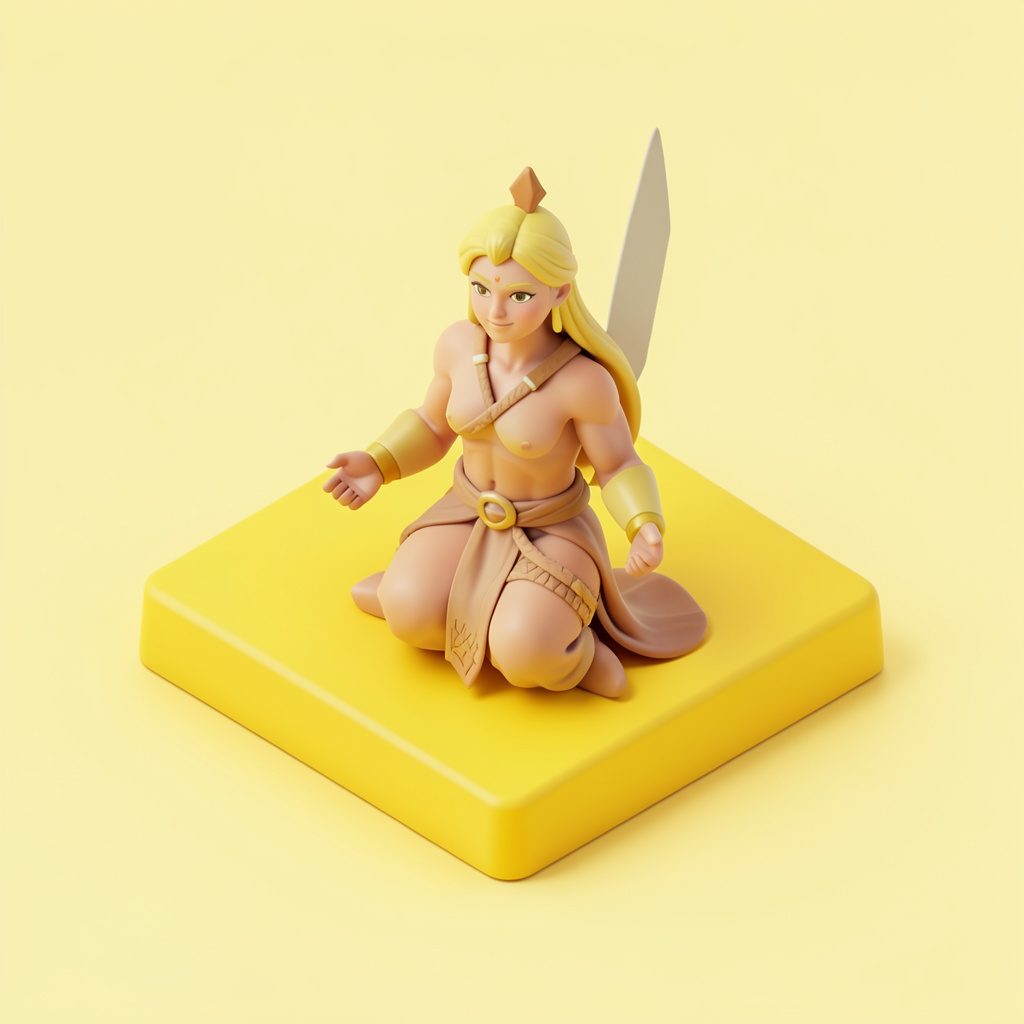
Mythological mothers of the world: a global gallery
Across continents and centuries, humanity has painted, sung, and carved a recurring figure: the Great Mother. She rises in cave walls in France, in Vedic hymns by the Saraswati, in bark paintings from Arnhem Land, and in altars behind kitchen doors in suburban Melbourne. Her faces shift yet rhyme — sometimes fierce, sometimes tender, always generative. For painters drawn to sacred story, she is a doorway into the oldest gallery on Earth.
Imelda Almqvist has spent decades working with these archetypal mothers through shamanic practice and pigment. Her London studio resonates with travellers from Sydney, Perth, and beyond, each carrying a question about how to recognise the maternal current running through their own lineage. The world the mothers inhabit is older than cities, yet it presses against every contemporary canvas.
The womb of worlds
Every gallery needs an opening hall, and every cosmology begins with a mother who gives birth to the ground beneath us. In Hellenic myth, Gaia uncoils from Chaos and lifts the mountains into her hair. In Sumer, Nammu flows beneath the freshwaters and kneads the first humans from her silt. The Yolŋu people of northern Australia sing of Barnumbirr and the Lightning Women, whose first light nourished the newborns of the land. Materials carry their own ancestral weight, and working with makers such as the bhclaysmith studio keeps the conversation between canvas, kiln, and origin myth alive.
| Culture | Mother figure | Sacred domain |
|---|---|---|
| Greek | Gaia | Earth and emergence |
| Sumerian | Nammu | Primordial waters |
| Yolŋu / Aboriginal | Barnumbirr and the Lightning Women | Star-light, fertility |
| Egyptian | Isis | Magic and rebirth |
| Hindu | Saraswati | Wisdom and the arts |
This is a sketch, not a museum catalogue. The archetypes overlap, and the metaphors breathe across borders. A Sydney artist may feel Isis in a hospital corridor; a painter in Adelaide may recognise Gaia in the tilting eucalyptus outside the window. The mothers do not belong to one era or one continent.
Mothers who weave wisdom
When the chaos settles into pattern, another mother appears — the keeper of language, music, and the secret arts. Saraswati drifts on a white swan through the tributaries of Bengal. Athena springs fully formed from her father's head, yet carries her mother Metis inside as craft-knowledge. In Yoruba tradition, Yemoja keeps the unborn in her brackish lagoons, and in Celtic wells, Brigid nurses the spark of inspiration.
Imelda's paintings often draw on this lineage of learning. Visitors to exhibitions in galleries from Fitzroy to Fremantle frequently recognise a particular braided pattern that nods to both Saraswati's river and the Celtic knotwork of Brigid. Wisdom, in this tradition, is not abstract — it is woven through the hand.
Mothers of sorrow and the dark return
No mother archetype stays gentle. Demeter wanders the fields with torches, searching for a stolen daughter, until the seasons bend to her grief. Inanna descends through seven gates into Ereshkigal's underworld. Kali swallows the clock and dances beneath it. These are not tragedies to avoid; they are the initiatory chambers where a soul learns its own weight.
For a shamanic practitioner working with paint, the descent is non-negotiable. Animal Spirit Guides in Shamanic Painting explores how the mothers often arrive as creatures — the sow, the she-wolf, the black swan — before revealing their human or cosmic face. The Australian tradition speaks eloquently of this: the Mothers who shaped the rivers did so through a labour that included pain, and that labour is what made the country sing.
A painter's gallery of the mothers
Bringing these figures onto canvas requires more than technical skill. It asks the painter to stand inside the archetype long enough for the brush to remember. Imelda's own work on Healing Through Color: A Painter's Guide to Energetic Palettes developed partly from sitting with the colour-palettes of specific mothers — the oxblood reds of Kali, the river-white of Saraswati, the storm-purple of Cerridwen. The pigments themselves become the doorway.
A gallery of mothers, on canvas, begins to feel less like illustration and more like a council convened. Each painting is a calling-card from a deity, and the artist's job is partly to keep a guestbook and partly to set the table.
The southern hemisphere and the living mothers
In a Brisbane studio, in a coastal town near Byron Bay, on a verandah in Perth's hills — the mothers are arriving. Multicultural Australia has always been multilingual in spirit, and the global gallery of maternal archetypes is part of that conversation. Imelda's teaching tours regularly meet Australian painters who recognise Saraswati, Isis, and Pachamama as old friends, and who want to learn how to paint them with integrity.
For artists wanting their sacred work photographed with care, booking professional headshot sessions with a practitioner who understands subtle iconography offers a considered starting point for presenting painted figures, whether the sitter is human or divine.
Imelda's sacred art training runs throughout the year, with introductory two-day courses and longer professional programmes held in London and Pennsylvania. Travellers from Australia are warmly welcomed. To step inside the gallery of the mothers is to be sketched into a painting older than memory — and your brush is already warm.