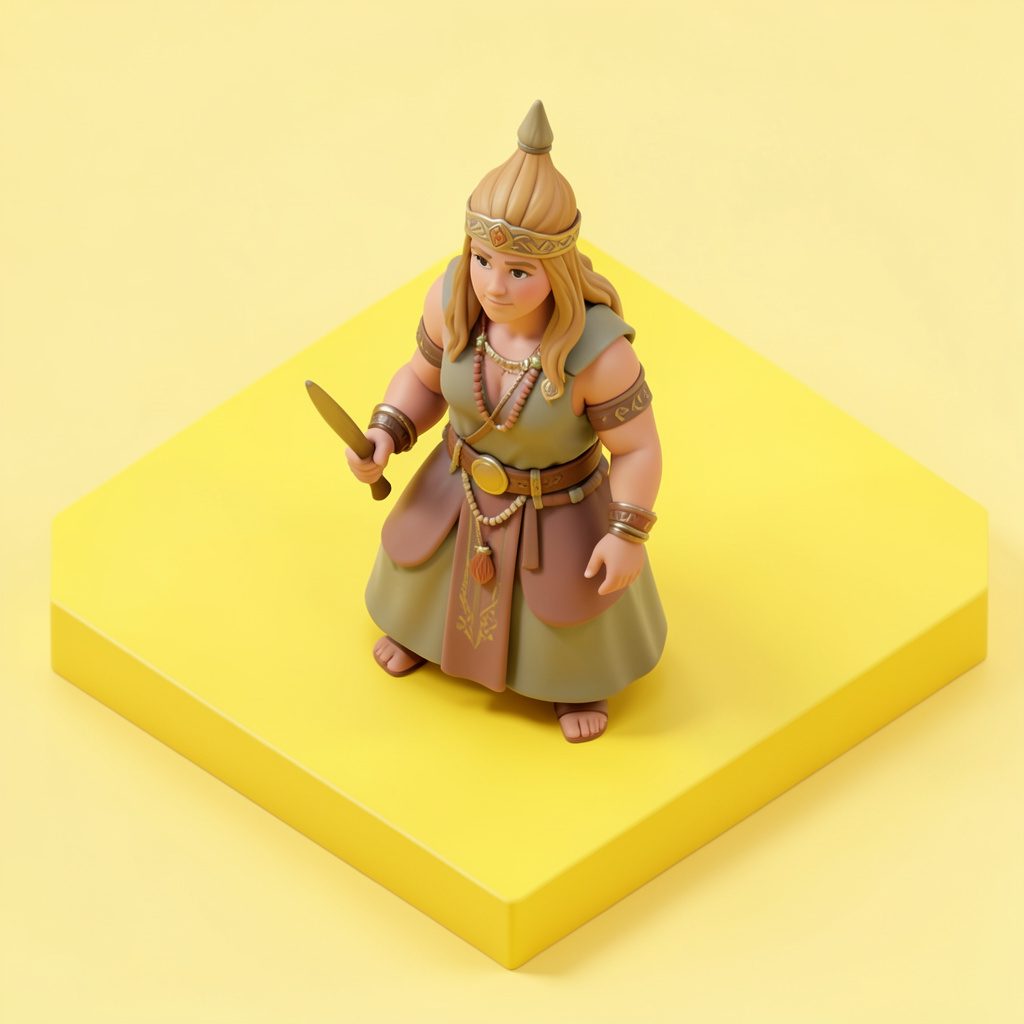
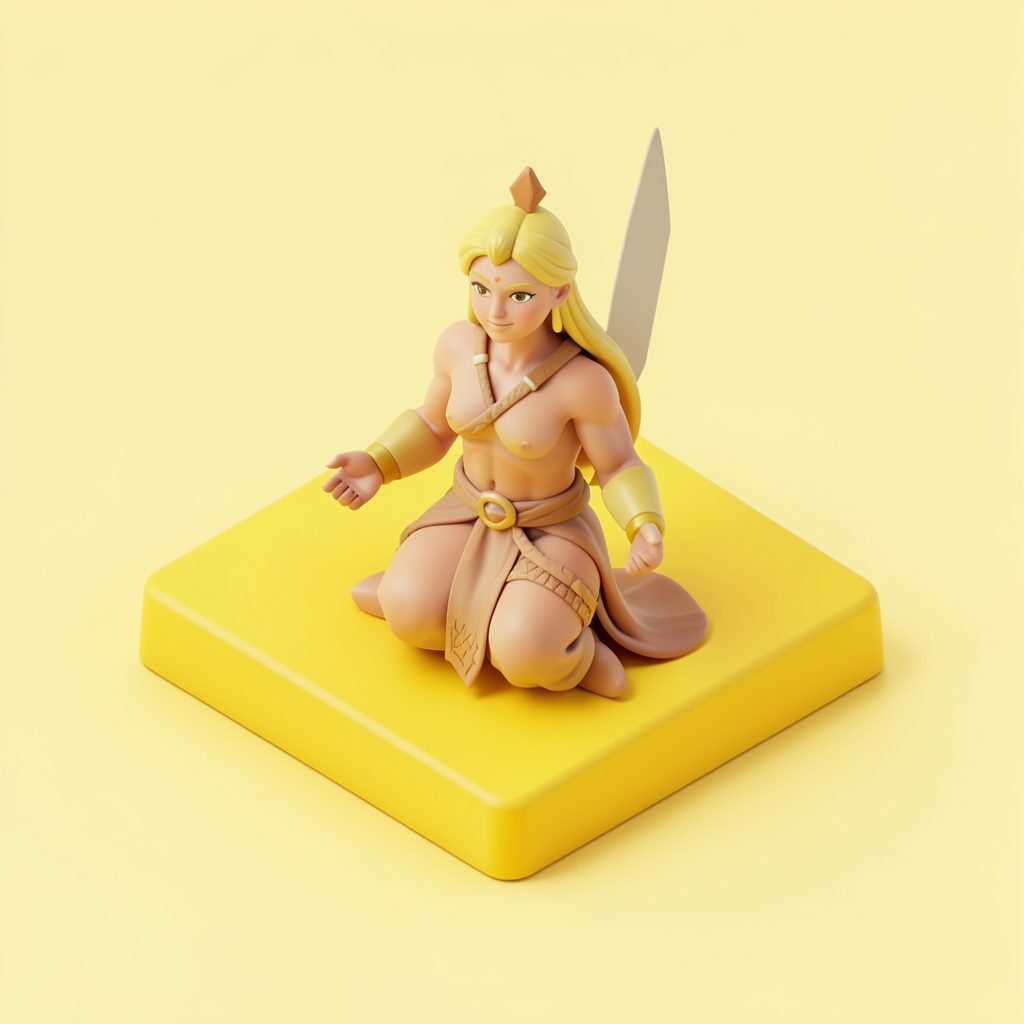
Apollo, Artemis and the Dioscuri Twins
Twin myths invite us to encounter power through relationship. Apollo and Artemis share parents, lineage, and divine radiance, yet their domains pull in opposite directions; Castor and Pollux embody the same mortal bond in another key, one exchanging heavenly immortality for fraternal devotion. In Imelda Almqvist’s shamanic paintings, such tensions become visual meditations on identity, protection, and transformation.
For a portfolio shaped by mythology, sacred traditions, mathematics, language, and dreamlike inner-world journeys, Mythological Twins: Apollo and Artemis, Castor and Pollux offer fertile ground. These paired figures suggest that wholeness need not mean sameness. Light can shadow darkness, solitude can coexist with kinship, and mortality can deepen sacred fellowship.
| Pair | Common ground | Distinct energies | Painting possibilities |
|---|---|---|---|
| Apollo and Artemis | Olympian twins, divine birth and shared arrows | Music, prophecy and healing versus wilderness, hunting and childbirth | Solar discs, crescents, bows, lyres and wild animals |
| Castor and Pollux | Twin horsemen, protectors and companions | Mortal courage and earthly duty versus immortal guidance and celestial fire | Horses, stars, shared flames and diverging paths |
Twin archetypes in sacred art
Greek twin stories are not simply studies of resemblance. They map relationships between cosmos, instinct, duty and choice, making them especially resonant within shamanic practice. A painted counterpart can hold sun and moon, horse and mortal, illumination and threat within one field, allowing the viewer to encounter balance without resolving it.
Viewing the Sakao Lifeworks project alongside this theme broadens the conversation beyond a single mythology, opening a shared space for symbols, ritual and personal transformation. Almqvist’s practice approaches such subjects intuitively: colour, rhythm and sacred symbolism work together as if guiding an inner journey rather than illustrating an ancient story.
Apollo and Artemis: radiance and wildness
Apollo carries sun, music, prophecy, healing and disciplined arts; Artemis carries the hunt, wild animals, protection and childbirth, with a strong lunar resonance in later tradition. Their arrows link them: both can strike truth, but they can also sever what blocks it. In sacred art, the twin bow can become an image of discernment rather than aggression.
Their pairing can guide the viewer’s own balance between radiance and instinct. Apollo asks for expression, clarity and creative mastery, while Artemis evokes movement, boundaries and untamed belonging. Together they reveal that spiritual development may require both disciplined attention and the freedom to encounter what lies beyond control.
Castor and Pollux: fellowship and fate
The Dioscuri were twin horsemen associated with protection, sailors and the transformation of difficult circumstances. Their mythology turns brotherhood into a passage between worlds. Castor represents earthly labour and mortal vulnerability; Pollux carries celestial fire and the possibility of guiding others through danger. Their closeness matters as much as their difference.
The site’s reflections on language and symbolism reveal how names and images can hold dramatic force. “Castor” and “Pollux,” like the names of the Olympians, invite readings of rivalry, complementarity and shared inheritance. Horses and stars can therefore become companions for stories about loyalty, sacrifice and the soul’s direction.
Inner worlds, stars and rebirth
In one telling of the myth, Pollux dies and asks Zeus to share his immortality with Castor. The exchange places fraternal love above personal survival, transforming separation into a permanent celestial union. A painting of this moment can hold two figures, two destinies and two kinds of power within a single encounter.
A related reflection on painting the afterlife extends this enquiry into images of paradise, rebirth and continued presence. Almqvist’s available works are presented with pricing, allowing collectors to enter these themes through a particular painting while retaining the freedom to discover the larger body of work.
Mythology within an Australian art market
Australian audiences encounter sacred art in city galleries and regional studios, from Sydney’s Woollahra and Melbourne’s Collingwood to smaller artist-run spaces. A familiar weekend rhythm often combines a gallery visit, an open studio and conversation over coffee, making mythology something discussed alongside others rather than encountered only in silence.
The local market usually expresses prices in Australian dollars. Commercial sellers must comply with the Australian Consumer Law, particularly its prohibition on misleading conduct, while clear listings of prices, commissions, framing, delivery and returns help buyers compare original artwork confidently. These details are particularly useful for international collectors purchasing from Australia.
Legislation adds another layer of meaning. The Copyright Act 1968 protects artists’ exclusive reproduction rights and moral rights, making provenance and image permissions important when acquiring or reproducing work. For First Nations artists, Cultural and Intellectual Property protocols may also govern cultural knowledge and imagery; although these protocols are distinct from copyright legislation, they affirm that ownership alone does not determine responsible cultural use.
Enter the mythic dialogue
Collectors and practitioners can engage with these twin stories through Almqvist’s paintings, where Apollo’s radiance and Artemis’s wildness, or Castor’s mortality and Pollux’s immortality, become images of spiritual possibility. Each work offers a way to explore how opposing forces can cooperate within a person, a relationship or an inner landscape.
Explore the sacred art courses for two-day introductory courses and longer professional programmes in London and Pennsylvania. Begin with the paintings, choose the pair that speaks to your own journey, and carry their shared fire into a continuing dialogue between myth, intuition and creative practice.