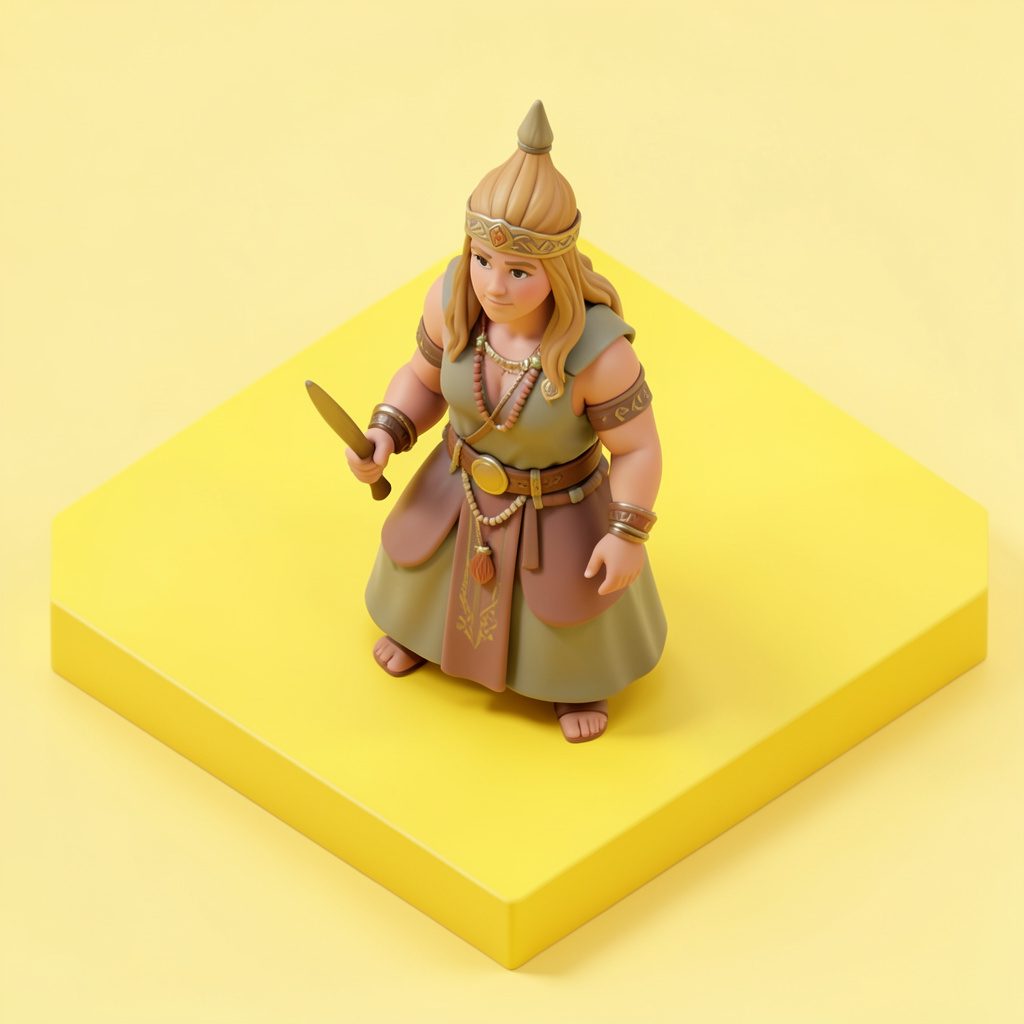
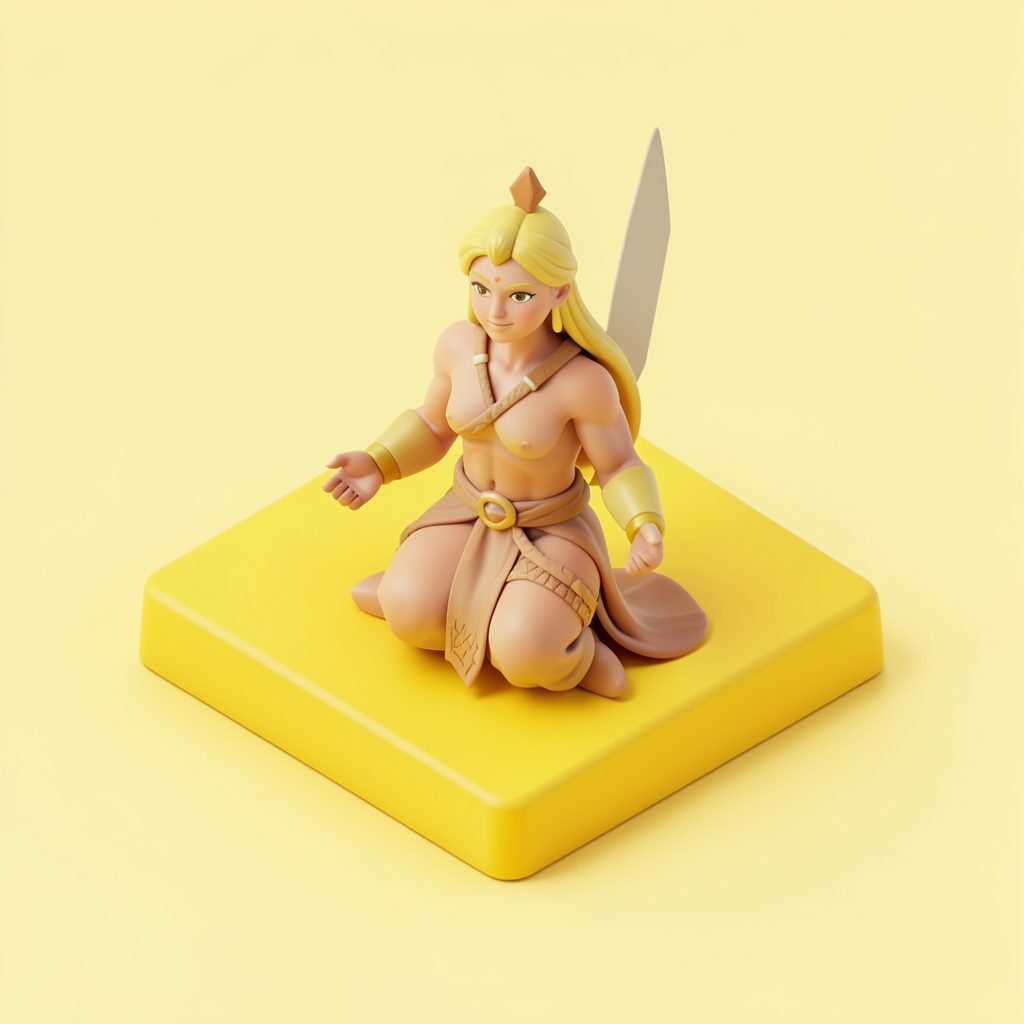
Oceanic myths: Yemoja and Sedna in shamanic art
The sea holds stories of birth, loss and return. In shamanic painting, it can become a map of the inner world: a threshold where instinct, memory and ancestral presence meet. Yemoja and Sedna open two routes into that territory, drawing on West African and Afro-diasporic traditions and Arctic Indigenous knowledge respectively.
Imelda Almqvist’s London-based practice does not simply illustrate sacred stories. Through paintings informed by dreams, mathematical form, language and spiritual inquiry, she explores attention, transformation and belonging. From Australia, where the Pacific surrounds many cities and changing seas carry urgent ecological meaning, this imagery has an immediate emotional charge.
Water as an inner landscape
Water in symbolic art is rarely just scenery. It moves between surface and abyss, waking life and the buried life of memory. A dark blue field can hold grief; a pale horizon can suggest return without resolving the feeling into a simple story.
Imelda’s work gives colour and geometry room to perform this work of transformation. Oceanic subjects become psychological landscapes, approached through rhythm, proportion and intuitive mark-making. The viewer is offered a place to recognise something, while the image refuses to explain it completely.
Australians meet that imagery with their own coastal familiarity. On the walk from Bondi to Coogee, the ocean changes with every bend in the Sydney shoreline. Further south, Tasmania’s wild Southern Ocean coast makes weather, fragility and ecological change feel immediate. These are personal thresholds as well as geographical ones.
Two sacred presences, two cultural worlds
Yemoja, also written Yemaya or Iemaya, is a Yoruba orisha associated with oceans, rivers, fertility and maternal protection. Many images show a woman with a fish tail, sometimes carrying cowrie shells, wearing white or pale blue, with waves or a crescent moon. In Regla de Ocha and related Afro-diasporic practices, she is a sacred presence, not merely a mermaid motif.
Sedna belongs to a different cultural setting. In some Inuit and Yupik traditions, she is a powerful sea spirit connected with marine animals and the Arctic. Certain accounts describe a woman, while others identify her with a polar bear. Her withdrawal after disrespect carries lessons about responsibility towards animals and the environment.
Neither figure should be collapsed into a generic ocean goddess. Their comparison can reveal complementary ideas of protection, isolation and consequence, but their histories must remain distinct. For Australian viewers, that distinction matters: neither belongs to Aboriginal or Torres Strait Islander traditions, whose saltwater knowledge and ceremonial art are grounded in community authority and cultural protocols.
Painting the threshold
Within Imelda’s shamanic practice, an image is a relationship rather than a diagram of belief. Yemoja might take form through rhythmic wave lines; Sedna through a dark field, a pale face or a spiral opening downwards. The symbols draw on inherited stories while remaining part of the artist’s own symbolic language.
Colour carries much of that language. White, blue and pearl tones often accompany Yemoja in visual representations, while deep blue, black and sharp highlights can suggest Sedna’s remoteness. These associations are not fixed rules. Their force grows through attention, study and the artist’s willingness to let an image develop beyond expectation.
A related series also needs balance between individual panels and shared rhythm. The practical advice on planning a triptych is useful here: three works might explore birth, threshold, grief and return as stages in one visual and textual conversation.
Shamanic attention and emotional healing
Shamanic work can be misunderstood as spectacle or as a single worldwide system. In Imelda’s practice, it is a disciplined encounter with imagery, memory and the nonordinary. A poem, geometric structure or recurring colour motif gives that encounter a path, while the finished painting preserves some of its mystery.
For people carrying grief or trauma, symbolic images can make difficult experience approachable without reducing it to explanation. The account of symbolic painting explores how recurring motifs can become witnesses to change. Meaning develops through sustained attention, rather than a promise of instant recovery. Painting can support reflection, but it does not replace qualified mental-health care.
Oceanic symbolism in an Australian market
Australian collectors often move between international contemporary art and the distinct practices of Aboriginal and Torres Strait Islander artists. Ethical buying therefore depends on knowing what a work is, where its imagery comes from and how the artist describes its meaning. Yemoja and Sedna should be presented through their own histories, never as substitutes for specific Indigenous saltwater knowledge.
The practical market has its own rhythm. At Melbourne art fairs and in Sydney’s inner-city studios, buyers often have a yarn about a piece before discussing price; a proper look and clear provenance usually come first. For an international purchase, buyers should also check framing, insurance, customs and delivery arrangements before committing.
London-based Imelda’s paintings connect with collectors through the artist’s direct gallery rather than a dealer’s anonymous inventory. This makes it easier to ask about pricing, availability and the symbolism behind each work, including how the artist intends it to be received.
Browse the artist’s gallery for available paintings and prices, then contact Imelda about delivery to Australia. Read the poems, choose the work that speaks to you, and enquire about the introductory two-day courses or longer professional programmes in London and Pennsylvania.