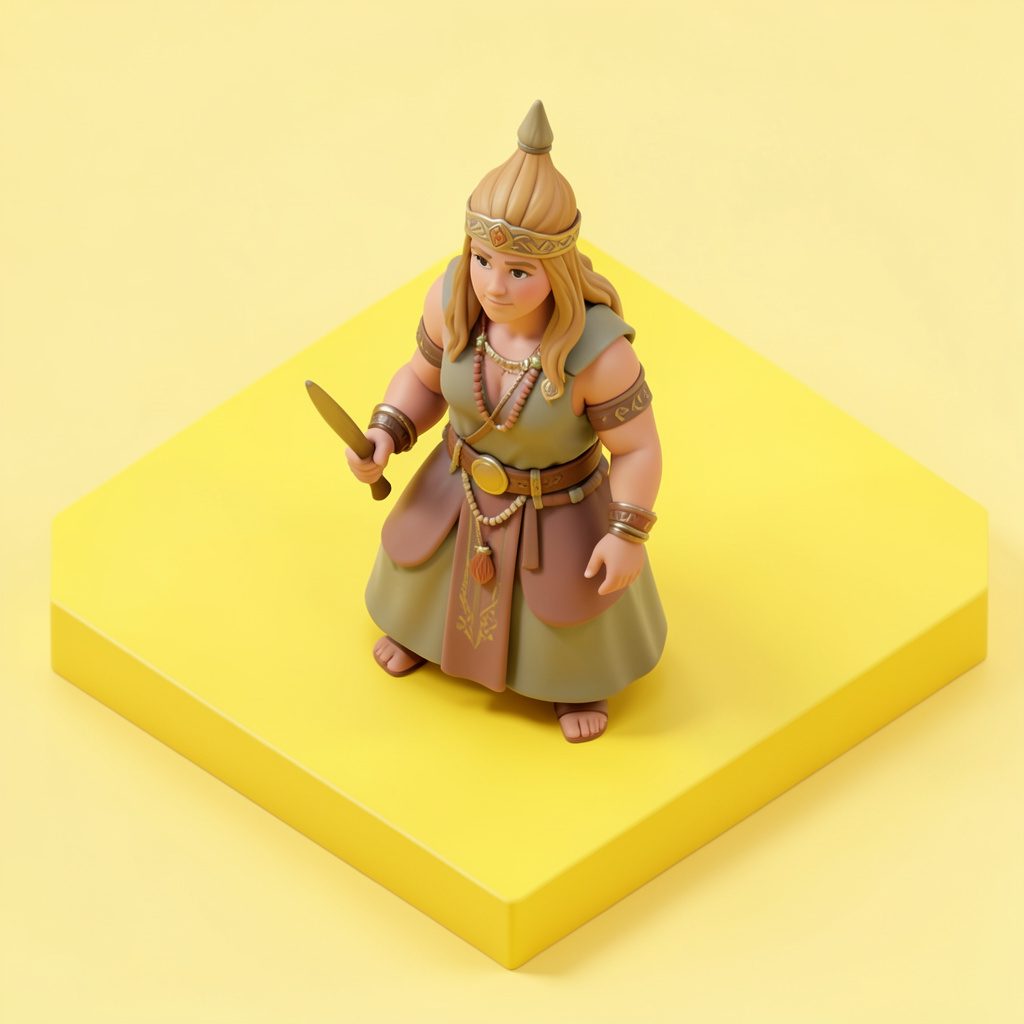
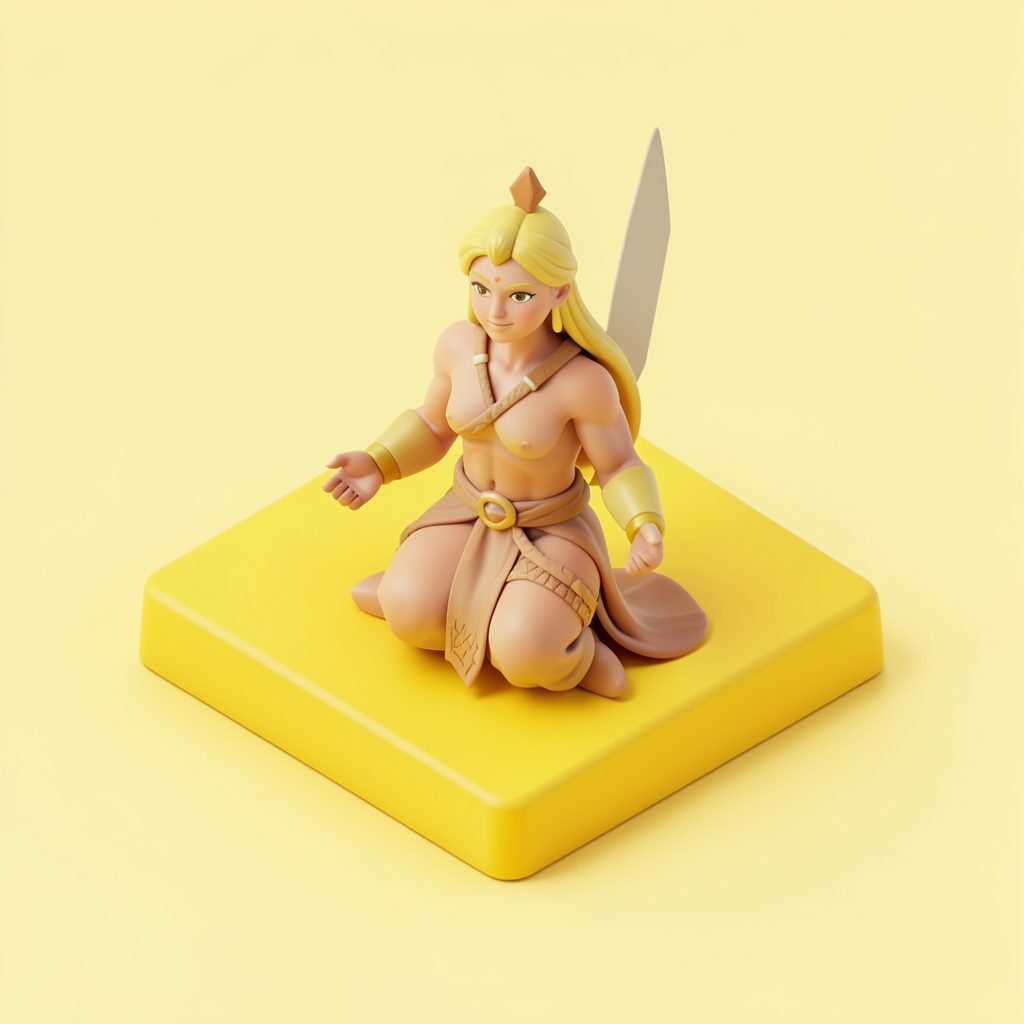
Small paintings for personal power
The art of the amulet is a practice of turning small paintings for personal power into objects of daily attention. A miniature can hold a chosen symbol, carry a private intention and offer a visual pause without demanding a grand ritual space.
Imelda Almqvist approaches her paintings through shamanic practice, mythology, Dreamtime, mathematics and language. Her work moves between imagined inner landscapes and tangible forms, making each piece both image and encounter.
For collectors in Australia, these works fit naturally into a culture of small gallery visits, thoughtful home altars and meaningful objects carried through commuting, travel and everyday routines.
Scale and ritual use
Scale changes what a painting can do. A small work is not simply a reduced wall piece; it is designed for closeness, repetition and portability. The question is not whether it fits a room, but what habit it can support.
| Consideration | Larger painting | Small amulet painting |
|---|---|---|
| Primary role | Immersive focal point | Recurring personal focus |
| Viewing rhythm | Sustained contemplation | Brief, repeated encounters |
| Placement | Wall, altar or gallery | Desk, bedside, shelf or pouch |
| Portability | Fixed or cumbersome | Easy to carry and reposition |
| Collecting | Greater space and cost commitment | More accessible entry point |
A larger canvas creates an immersive encounter, while a small painting builds a recurring one. Its power lies in return: the eye finds it beside the kettle, finds it again after a difficult meeting and gives it a minute of attention. For broader reading on visual symbolism and contemporary practice, Alfergani visual culture offers a useful cultural counterpoint.
Material and scale must agree. A painted card enclosed in a solid wooden frame can travel without becoming merely decorative, while a miniature on board can stand on a private altar. Framed works should use archival mounts, UV-filtering glazing and reversible fixings so they can be moved safely between rooms.
Symbols for private thresholds
An amulet is chosen for the meaning it holds for its owner rather than for a single prescribed interpretation. It may mark protection, transition, devotion, grief or an aspiration that needs to remain present. The image becomes a threshold between an inner intention and ordinary action.
Shadows and unfamiliar figures can express what remains difficult to confront. Imelda’s reflection on shadow archetype exploration is especially relevant: a dark motif can hold fear without being limited by it, becoming instead a focus for transformation.
In Sydney, Melbourne, Brisbane, Adelaide and Canberra, daily life often moves through familiar transitions—morning coffee, a crowded train or tram, a lunch break and an evening walk beside the river or park. A tiny painting can accompany that rhythm. It need not promise supernatural protection to serve as a psychological anchor and a reminder of the person the viewer is trying to become.
Line, language and inner geometry
Imelda’s visual vocabulary often begins with marks. Repeated lines, geometric fields and weathered surfaces suggest writing even when no literal message is present. Her study of cuneiform and ogham shows how line can carry memory, ritual and historical resonance without functioning as readable text.
Mathematics gives these images another dimension. Symmetry, spirals, intervals and imperfect repetitions can translate inward concentration into visible form. On a small surface, each mark demands greater precision, making the work intimate without making it fragile.
The relationship between symbol and collector remains personal. One person may respond to a spiral, another to a fractured horizon or enclosed figure. Choosing a work by felt resonance can be more meaningful than searching for a prescribed symbol, particularly when the painting is intended to support reflection rather than fulfil a fixed religious function.
Reading the Australian art market
Australian buyers already navigate a market shaped by Aboriginal and Torres Strait Islander art, international galleries and a strong culture of provenance research. In Indigenous art markets, authorised community art centres, clear attribution and documented ownership are valuable indicators. Imelda’s London-based shamanic work should be presented transparently and distinguished from Indigenous Australian traditions, even when broad references to Dreamtime appear.
Commerce adds a clear legal layer. For artwork sold by an Australian business, the Australian Consumer Law requires goods to be of acceptable quality and to match their description. Displayed consumer prices normally include GST, and buyers remain entitled to the applicable consumer guarantees when something is faulty, damaged or materially different from what was advertised.
The Copyright Act 1968 adds another distinction: buying the original painting does not automatically transfer the right to reproduce it. Collectors who plan to use an image in print, digital media or merchandise should obtain permission and confirm the terms in writing. Purchases shipped from London may attract GST, while higher-value consignments can also involve customs duty and declaration requirements.
Condition reports, dimensions, framing details, insured shipping and return policies deserve attention before payment. For a small international purchase, these practical protections can matter as much as the symbolism, especially when the work is intended to sit in a particular room or travel with its owner.
Carry the work into daily life
A personal emblem becomes meaningful through use. Left on a desk, placed beside a bed or carried in a pouch, a small painting can turn a private intention into a repeatable visual practice. Imelda’s broader body of work connects sacred traditions, mythological figures and inner-world journeys, allowing each piece to function as both artwork and personal companion.
Imelda also teaches sacred art through introductory two-day courses and longer professional programmes in London and Pennsylvania. These teachings can provide context for working with symbolic imagery, while her collection allows collectors to explore small paintings without beginning a formal course.
Explore the available works in Imelda Almqvist Art’s collection, choose the image that speaks to your path and contact the studio about acquiring a personal piece or joining a training programme.