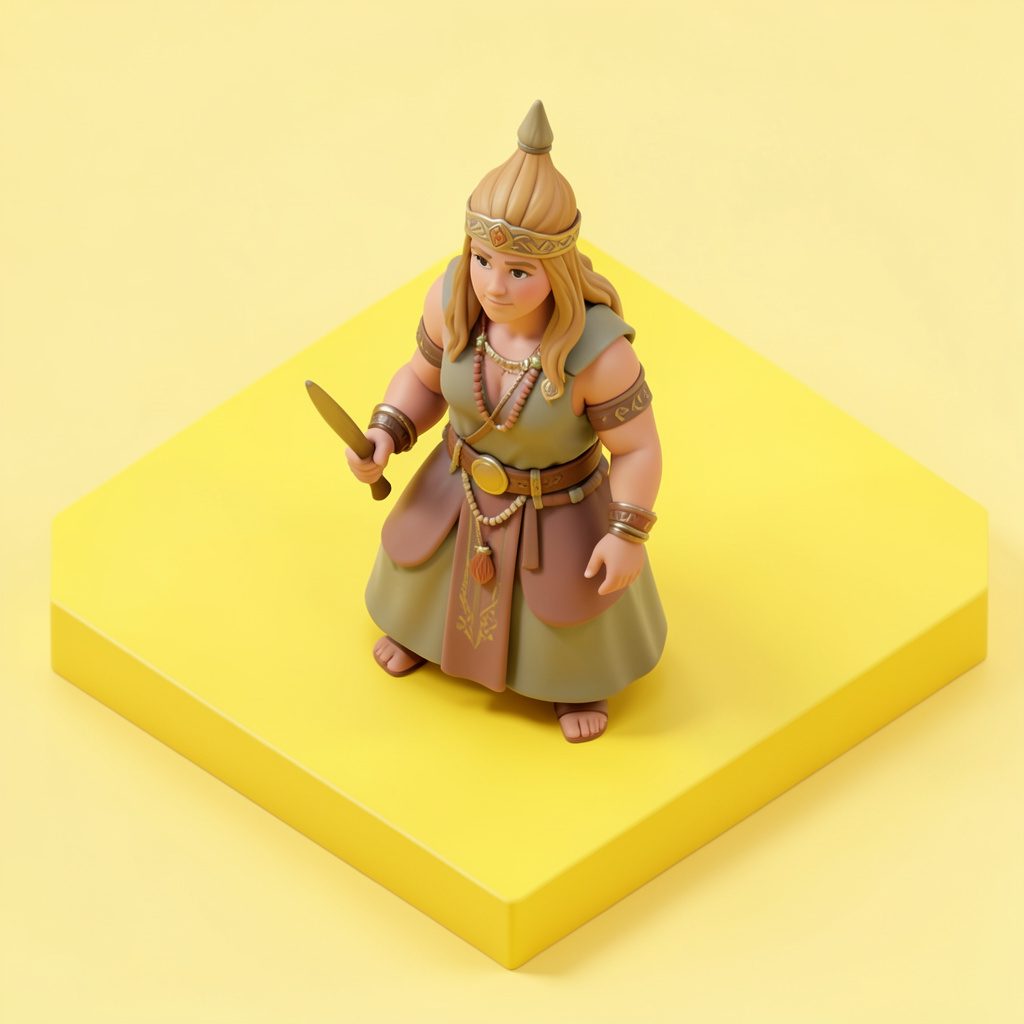
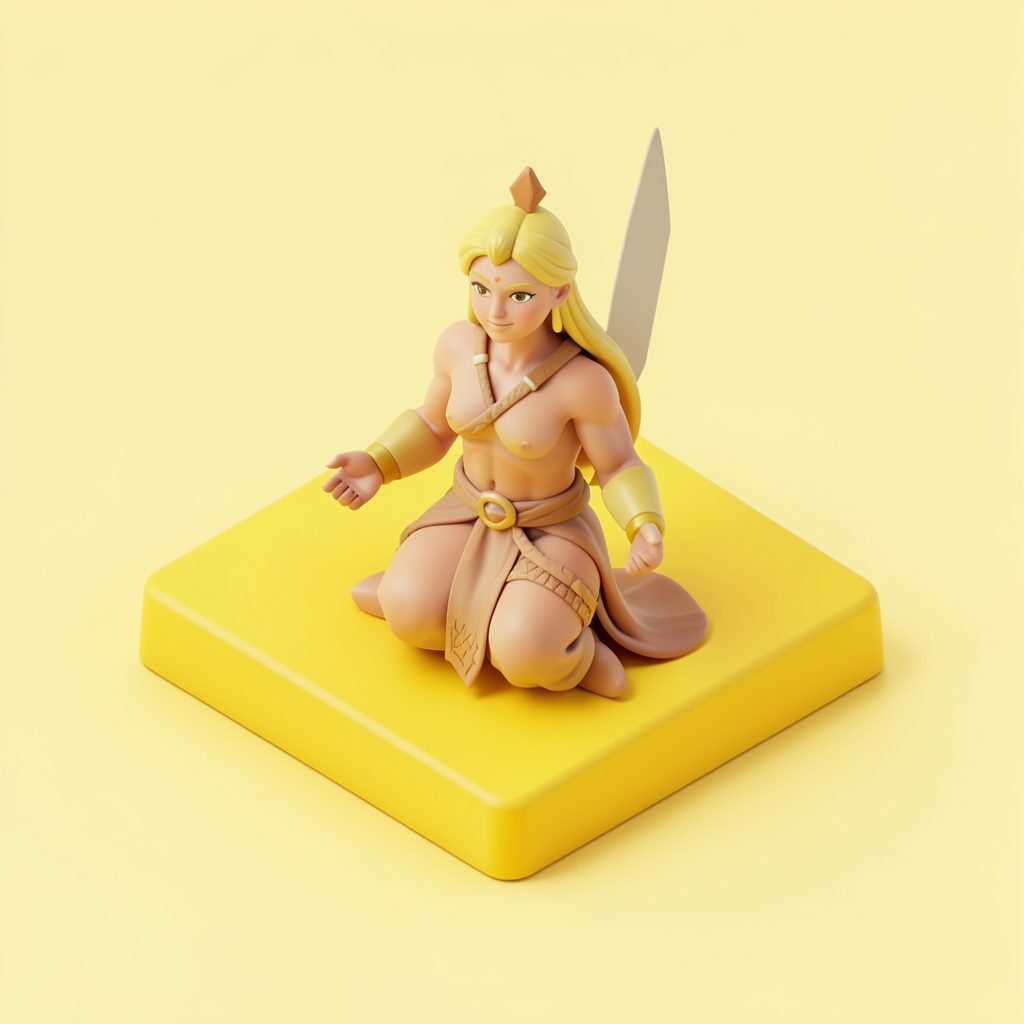
The stone people: spirit of crystals and rocks in art
The Stone People is Imelda Almqvist’s imagined tribe: mineral presences gathered around a work of art. Her paintings give quartz, jasper, obsidian and other stones inner lives, drawing on shamanic practice, myth and the elemental force of landscapes.
These characters emerge through symbols, layered colour and the chance marks of mineral-inspired mark-making. They suggest that a painting can become a map of psychic terrain, where a rock may hold memory, instinct, protection or a voice from an ancestral realm.
Australian audiences meet this subject with their own layers of familiarity: sandstone cliffs in the Blue Mountains west of Sydney, and the opal fields around Coober Pedy and Lightning Ridge, where colour seems trapped inside earth rather than placed upon it.
The collection belongs within Imelda’s wider practice as a London-based shamanic painter, teacher and gallery artist. Its available works, poems and artist stories make the gallery both a place to browse and an invitation into sacred art.
Country, dreaming and deep time
A crystal can mark millions of years in a fingertip-sized form. For Imelda, that compressed time becomes spiritual biography: growth becomes awakening, fracture becomes transformation, and inclusions resemble ancestral memories written into matter.
Local context adds another charge. The sandstone country around the Blue Mountains and the opal fields of Coober Pedy and Lightning Ridge are not merely picturesque sources of mineral. For many Aboriginal artists and communities, Dreaming is the preferred term for living creation, and Country carries law, kinship and story. Art drawing on these traditions must be approached with care, provenance and respect.
Reading geology through colour and symbol
The paintings translate geology into visual language. Hard edges meet translucent veils; dark fissures sit beside luminous fields; repeated symbols suggest a mineral language without pretending to decode any one cultural tradition. Quartz may become a listener, jasper a keeper of courage, and black stone a doorway into the unknown.
That same balance of clarity and mystery travels well into the Australian art market, where Sydney and Melbourne collectors encounter work through galleries, fairs and direct sales. Because Imelda works from London, Australian buyers should check the currency, any GST treatment and framing or freight costs before checkout, especially for delivery to Perth or Darwin.
Masks, ancestors and inner guides
Imelda’s shamanic portraits often combine a face with animal, plant and mineral attributes. A mask can hold several identities at once, appearing fierce, protective or ancestral depending on the colour and gesture around it. Crystals placed beside the eyes can imply heightened perception, while rock-coloured fields suggest a being emerging from deep strata.
Her related exploration of portraits of shamanic power shows how a painted mask becomes more than decoration: it acts as a threshold, a psychological portrait and a record of relationship between the sitter and the unseen.
Mythic landscapes across traditions
Stone has a place in many mythic cosmologies, serving as a threshold, altar, weapon or dwelling. Imelda’s interest in the nine worlds of Norse cosmology gives her paintings a layered architecture, with crystals acting as bridges between planes rather than decorative objects.
The story behind painting the nine worlds follows that movement from ancient cosmology into contemporary imagery, where each material and symbol opens another route inward.
Aboriginal and Norse systems should not be blended as interchangeable traditions. Used separately, they invite a respectful comparison of how landscapes can hold memory, spirit and law. The lasting connection lies in artistic method: attention, layering and the willingness to let an image remain partly mysterious.
Bringing a stone presence home
Placing one of these paintings in a home can feel like inviting an elemental character into daily life. A work may anchor a hallway, quiet a bedroom or create a focal point for reflection. Its symbolic meaning can deepen through the owner’s own stories, while the visible fractures and mineral hues remain tactile, grounding and deeply human.
Collectors in Australia also need to distinguish spiritual intention from commercial crystal lore. If a work includes or highlights a particular mineral, responsible buying asks about its origin and extraction, because meaning should not conceal environmental harm. Australian English is often delightfully direct: a buyer might say, “I’m keen on it—can you post it to Perth?” and then discuss the practical details.
Build a practice with mineral energy
Art can be encountered as an object, yet Imelda’s teaching invites people into a practice. Her introductory two-day courses open the foundations of sacred art, while longer professional programmes offer deeper study in London and Pennsylvania. For artists travelling from Australia, early planning around dates, accommodation and the balance between instruction and studio time is sensible.
Before adding symbols to a finished piece, students benefit from exercises that make the hand itself part of the voice. A practical guide to finding your lettering style is especially valuable for artists who use written marks alongside painted forms, because rhythm can carry as much meaning as an image.
Explore Imelda’s available Stone People paintings, read the poems and artist stories, and choose the work whose presence feels right for your space or collection. If you are ready to develop your own sacred art practice, review the current course options and contact Imelda about the next introductory or professional programme.