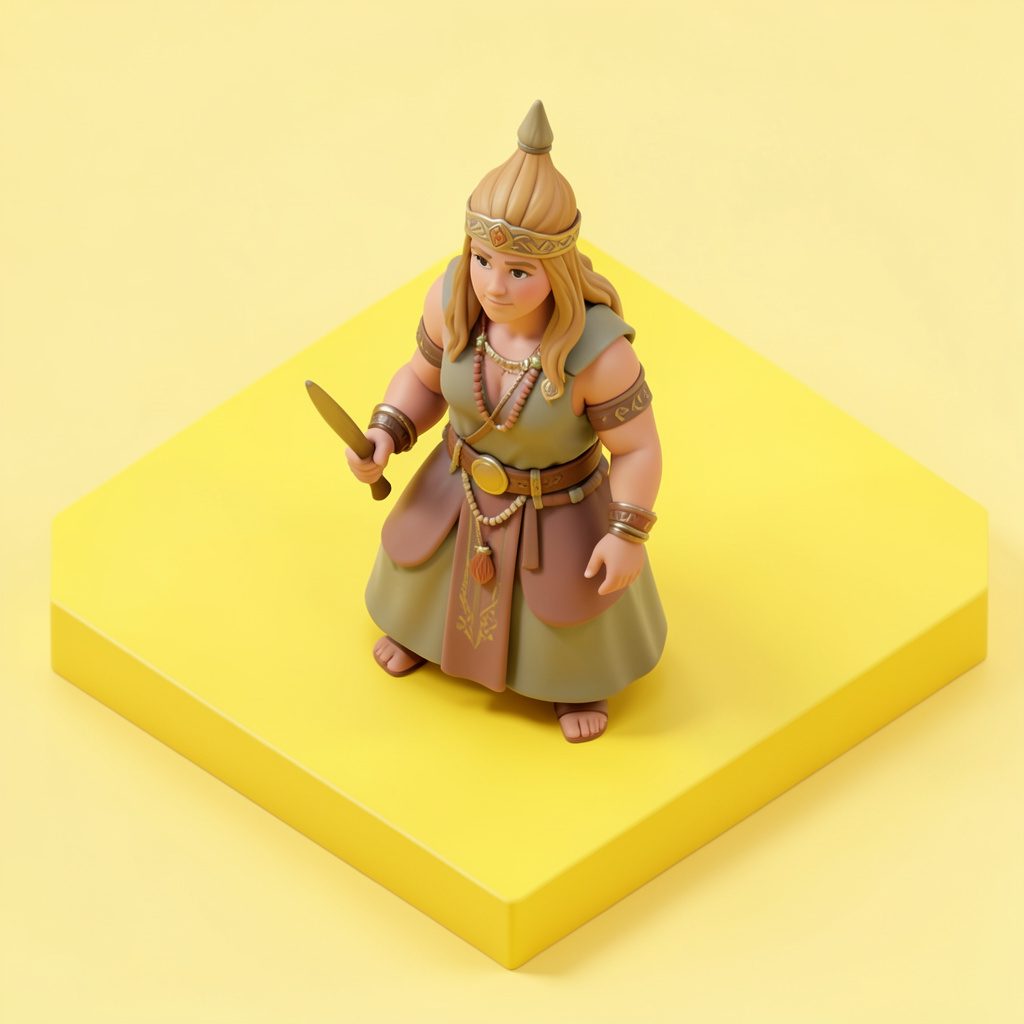
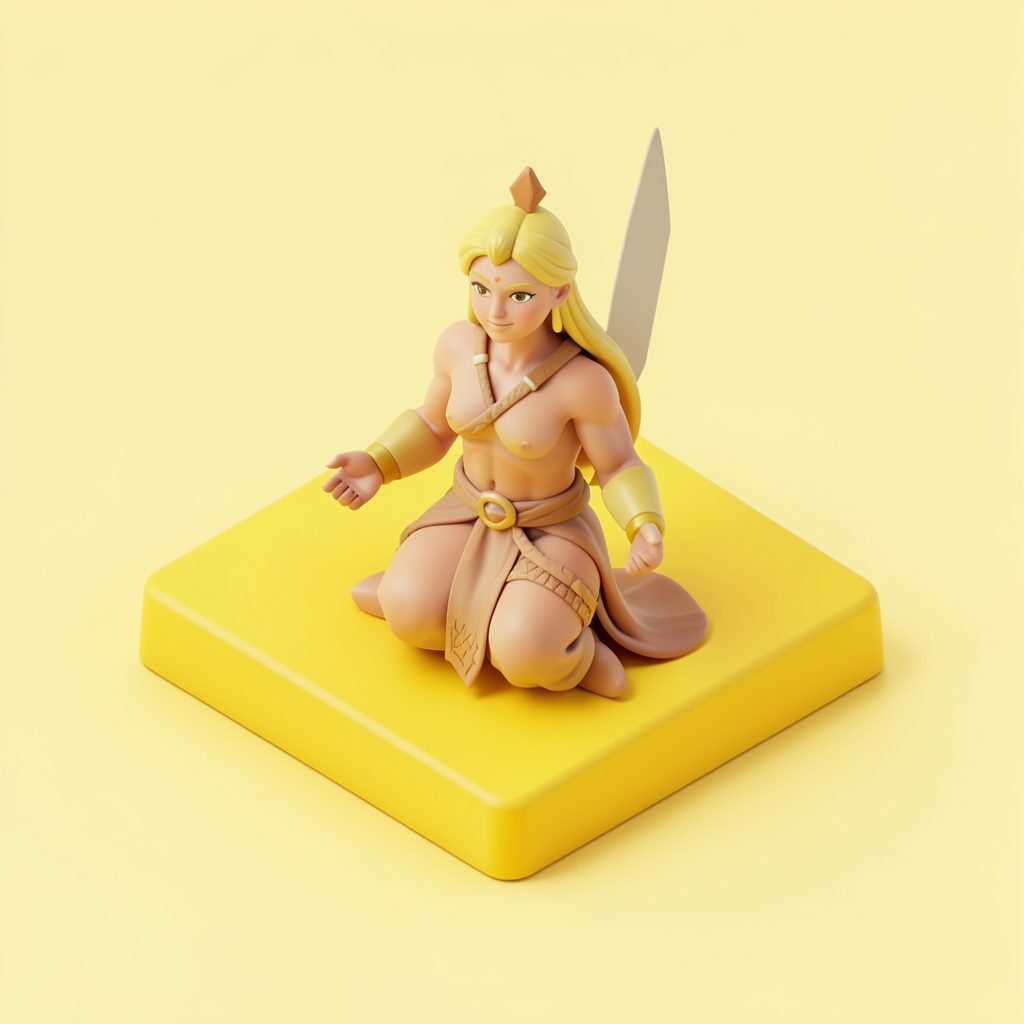
Three faces of the trickster in sacred art
The Trickster Archetype: Coyote, Raven, and Loki in Art gathers three distinct traditions around a shared function: challenging fixed ideas about power, creation and order. Each figure crosses boundaries, interrupts solemn rituals and reveals uncomfortable truths, yet none should be reduced to a simple symbol of mischief.
For London-based shamanic painter, practitioner and teacher Imelda Almqvist, these figures provide fertile ground for exploring the subconscious. Her paintings bring mythology, sacred traditions, mathematics, language and inner-world journeys into a visual language suited to Australian collectors, art lovers and students of spiritual symbolism.
Why tricksters unsettle the story
Tricksters occupy an awkward position in mythology. They can be creators, teachers, thieves, clowns or destroyers, often combining insight with selfish behaviour. Their disruption exposes contradictions that orderly stories prefer to leave hidden. This makes the trickster especially useful in sacred art, where transformation matters more than neat moral categories.
Imelda’s work approaches this unstable energy through movement, shape and symbolism. The related reflection on water and threshold imagery offers a complementary way to consider rivers and crossings as passages between known and unknown territories.
Approaching these figures requires care. Coyote, Raven and Loki arise from different communities and carry different responsibilities. Their shared presence in contemporary art can reveal universal human tensions, but it should never blur the distinct histories and cultural meanings attached to each tradition.
Coyote and the logic of appetite
Coyote stories occur across numerous Indigenous North American peoples, with meanings that vary considerably between nations. In many narratives, Coyote combines intelligence with hunger, curiosity and an inability to respect the boundaries others accept. Coyote may create through theft, expose hidden knowledge or begin a journey that transforms the world.
Artists can portray this figure through restless lines, elongated movement and the suggestion of an appetite that outruns consequence. His comic qualities invite affection, while his disruptions reveal the instability beneath apparently sensible rules. The appeal lies in that double vision: Coyote can be funny without becoming harmless.
Water often intensifies this ambiguity. Rivers separate one state of being from another, and crossings can carry trickster figures into unfamiliar realms. Imelda’s exploration of underworld river imagery shows how mythological journeys can be pictured as passages through memory, danger and transformation.
Raven and the power of language
Raven holds a prominent place in the traditions of many Indigenous peoples of the Northwest Coast, where stories may portray him as creator, transformer, thief or bringer of light. His feathers, voice and movement between sky, sea and land make him an especially visual figure. Yet his character differs between communities and should not be treated as one universal trickster symbol.
Language is central to Raven’s creative power. Speech can reorder reality, carry concealed knowledge or expose what others would keep hidden. This connection suits Imelda’s interest in sacred language and inner-world journeys, where a painting can operate much like a dream: part image, part phrase and part unresolved message.
In visual art, Raven invites contrasts between darkness and illumination, feathered texture and open space, silence and noise. A sharp silhouette may suggest a messenger descending, while a scattering of angular forms can imply a mind suddenly reorganising itself. The trickster becomes a mirror for the viewer’s own attempts to make meaning.
Loki and the theatre of change
Norse mythology presents Loki as a boundary-crosser whose influence reaches beyond the gods. He is clever, competitive and endlessly inventive, but his actions also carry consequences. Unlike many modern cartoons’ harmless jokers, Loki’s transformations can expose the fragility of identity and the instability of seemingly secure relationships.
Shamanic painting offers a way to hold contradiction without resolving it. A figure might appear almost human, then fragment into another form; a familiar symbol might shift meaning as the eye travels across the surface. These changes echo Loki’s gift for making uncertainty physical and visible.
Mathematics provides another route into that instability. Repetition can hold changing forms together, while deviation creates tension within an ordered system. The connection between sacred Fibonacci patterns and mystical imagery reveals how apparently precise structures can remain open to interpretation. Loki inhabits that space between pattern and disruption.
An Australian way of looking
Australian audiences bring their own visual vocabulary to this material. Melbourne’s laneway studios and inner-city gallery openings, Sydney’s harbour-side art fairs and collectors waiting for a painting to arrive at a Perth home all contribute to a market where symbolism often shares space with practical questions about framing, freight and installation.
The local art market tends to reward plain-speaking, informed discussion. A fair-dinkum gallery conversation can move from the emotional impact of a work to its dimensions, insurance, Australian GST treatment, overseas shipping and documented provenance. These practical details are not distractions from the sacred meaning; they help ensure that the artwork arrives safely and is understood as more than decorative mythology.
Cultural respect is equally important. Aboriginal and Torres Strait Islander traditions are not a single pan-Indigenous system, and some cultural material carries specific protocols concerning reproduction and ownership. Buyers should seek reputable sources, clear provenance and the appropriate permissions rather than treating Indigenous artworks as interchangeable symbols of an ancient mystical world.
Imelda’s cross-cultural synthesis can be appreciated best with that awareness close at hand. Coyote, Raven and Loki each retain their own cultural setting while opening a shared artistic field of appetite, language and transformation. This is where her shamanic paintings become particularly compelling: they invite sustained looking without demanding an instant answer.
Explore Imelda Almqvist’s themed collections and available paintings, review the displayed prices and artist information, and contact the studio about a work that resonates. Discover the introductory two-day sacred art courses and longer professional programmes in London and Pennsylvania, along with the artist’s poems and testimonials. Let the trickster keep the gate open, and let the painting reveal what changes when you cross it.