Thunder beings and the language of lightning
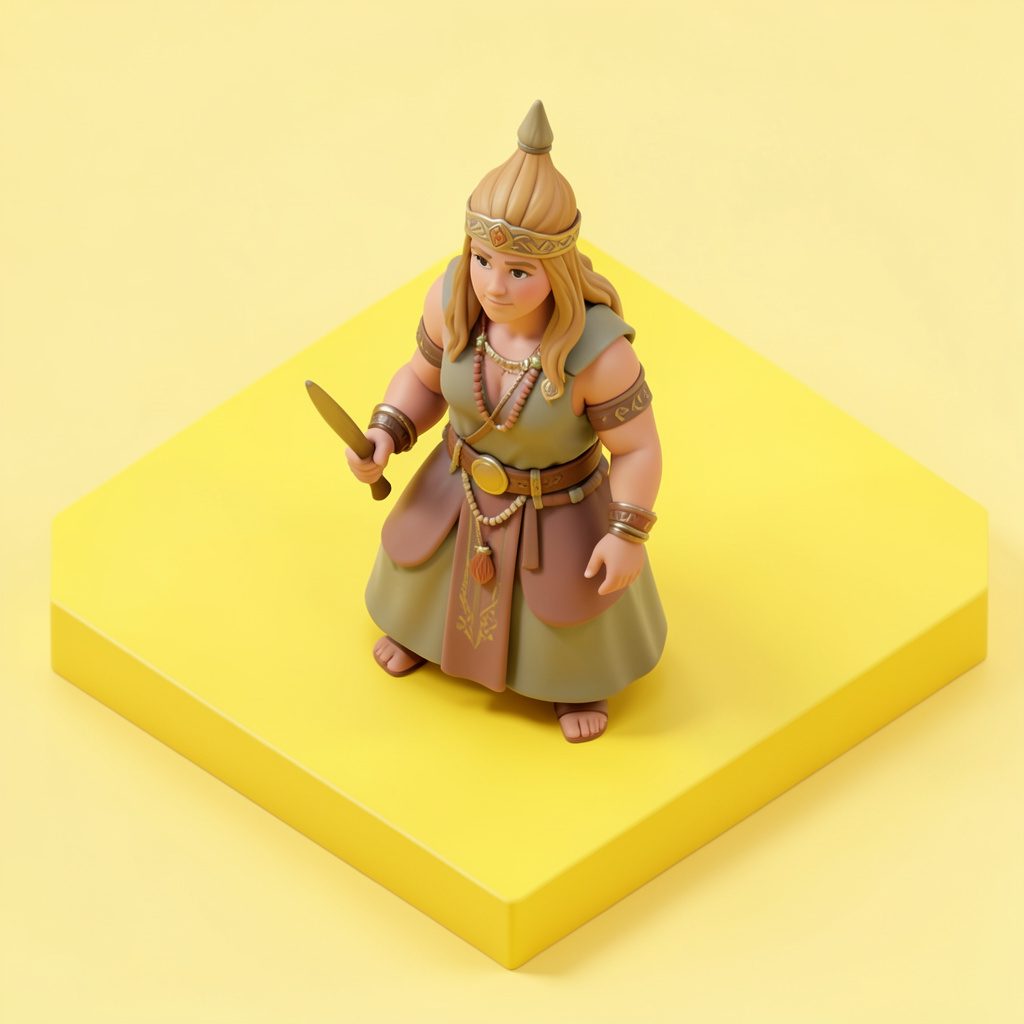
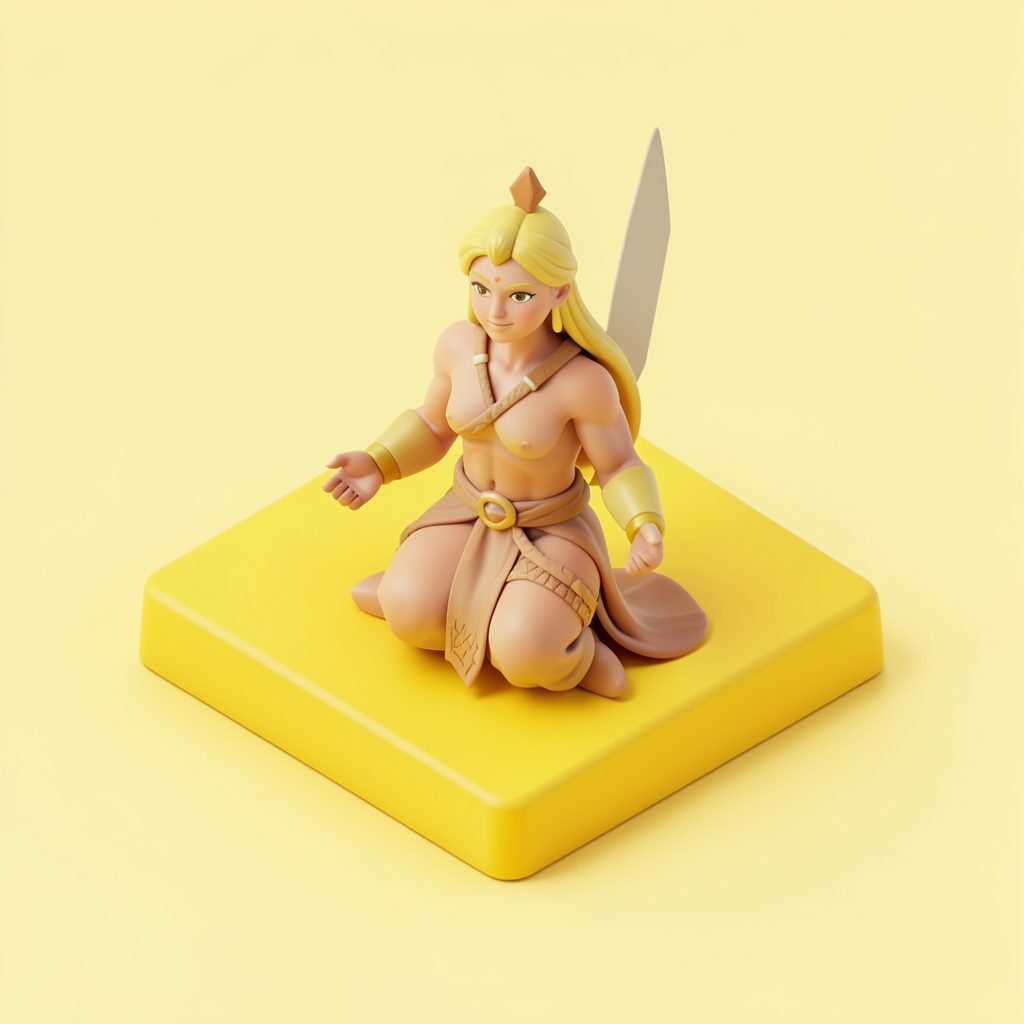
Thunder is a sound and a presence, changing the perceived scale of sky, land and inner life. Thunder Beings: Storm Gods and Lightning in Shamanic Composition examines how lightning can organise attention, movement and revelation rather than merely depict weather.
As a London-based shamanic painter, practitioner and teacher, Imelda Almqvist treats painting as a route into spiritual experience. Sacred traditions, mythology, DreamTime, mathematics, language and inner-world journeys meet on the canvas, giving geometry and sensation a shared surface.
Australian readers know this weather intimately. Late-summer downbursts cross Sydney and Melbourne, the wet season builds over Darwin and Cairns, and radar apps are a household habit. People often pause at a kitchen window or veranda when thunder rolls overhead.
The local market matters too. Artworks appear in galleries, open studios, weekend markets and online stores, while Aboriginal and Torres Strait Islander art operates within distinctive cultural and legal frameworks. Collecting around thunder beings should begin with context and responsible attribution, not visual novelty.
Storm symbols without a universal key
A thunder being may be a god, ancestor, animal, messenger or elemental force, but these categories do not travel neatly between cultures. In a shamanic composition, lightning might be a threshold, weapon, source of knowledge or passage between worlds. The form should remain tied to the tradition that gives it authority.
Precision can sharpen the artwork. Once a being has a specific narrative and permission to work with its imagery, contrast becomes deliberate: dense earth below, electric sky above, or a small figure at the edge of a vast event. A sacred symbol should belong to the painting’s world, not operate as decoration.
Building energy through line and interval
The first mark may be a sound rather than an object. Short wedges can suggest a pulse, a broken diagonal can carry a bolt, and open space can mark the instant before illumination. Repeating these gestures creates rhythm; changing their scale creates depth. The flash becomes the painting’s structural event.
Mathematics helps when it serves intuition rather than formula. Mirrored angles, radial division and recurring intervals create the feeling of forces meeting, while language can contribute titles or poems as visual annotations. Imelda’s account of ochre, clay and charcoal shows how grounded colour can make an otherworldly subject feel physically present.
Ink, weather and atmospheric depth
Brush and ink offer another route. Japanese sumi ink practice demonstrates how a limited palette can hold velocity, mist and concentration without losing economy. Against pale ground, one loaded stroke can resemble a storm front; dry marks can scrape across the surface like retreating cloud.
Atmospheric depth is often stronger than literal cloud rendering. Veiled layers place a being at an uncertain distance, while a hard edge brings it forward. Scale changes move the eye between macro and micro: the sky becomes a patterned field resolving into feathers, scales, teeth or branching light.
A practical visual matrix keeps these effects distinct without fixing a single meaning:
| Element | Visual treatment | Compositional role | Cultural guardrail |
|---|---|---|---|
| Thunder voice | Expanding rings or vibrating wedges | Makes invisible force perceptible | Retain the being’s specific narrative |
| Lightning | Forked or radial stroke | Divides stillness from transformation | Avoid presenting danger or revelation as universal |
| Serpent or dragon | Coiling contour | Links cloud, water and earth | Confirm the relationship taught by its culture |
| Winged messenger | Angular sweep across the field | Carries movement between realms | Distinguish message, protection and passage |
Dream imagery as an inner gallery
Not every storm image begins in mythology. A dream can supply a fragment—a bird, stone, doorway or black sky—that later becomes a painted encounter. In recording night visions, Imelda explores how nocturnal sketches and written observations preserve tempo, emotion and the strange scale of sleep alongside subject matter.
Translating those records into pigment requires restraint. A dream image should not become merely illustrative, nor should every mark be explained. Leave forms unresolved so viewers move between recollection and invention, while poems preserve ambiguity and a painted being remains a spiritual presence rather than fixed symbol.
Collecting with provenance and cultural care
For Australian collectors, provenance should travel with the story. Sydney and Melbourne have established gallery circuits, while regional studios and online exhibitions broaden access. Ask who made a work, where it has been shown, how it is priced and whether cultural permissions apply; this is part of collecting, not added paperwork.
Australia’s Copyright Act 1968 includes specific protections for Indigenous cultural and intellectual property, and the Indigenous Resale Royalty Scheme supports artists when protected works are resold commercially. State and territory heritage laws also vary. These rules do not replace community protocols; Dreaming imagery, ceremonial designs and restricted knowledge should never be marketed as generic “shamanic” decoration.
The independent portfolio of Amelia J Creations offers a comparison for audiences interested in how personal visual narratives appear online. Each practice should retain its own voice, while curating can focus on material, atmosphere and shared questions rather than a superficial mood.
Invite the storm into your collection
Available works on Imelda Almqvist Art can be explored by collection, with pricing, poems, artist information and testimonials beside the paintings. The site also presents introductory two-day sacred art courses and longer professional programmes in London and Pennsylvania, giving Australian viewers a way to study the ideas behind an image.
Begin with the painting that keeps returning: the flash, cloud figure or threshold seen in sleep. Review its materials, dimensions, availability and framing, then enquire about suitability and delivery through contact Imelda Almqvist. Bring a storm-centred work into your space and let its colour, energy and cultural context begin the conversation.